Gebrauchte Verarbeitungslinie für kleine Milchprodukte 2000

Nahrungsmittelmaschinen / Getränkemaschinen

Hersteller: unbekannt

Modell: unbekannt

Maschinentyp: Gebrauchte Verarbeitungslinie für kleine Milchprodukte 2000

Eintrags-Nr.: 169334984

Anzahl: 1

Datum: 17.04.2026

Baujahr: 2017 Gebrauchtmaschine

Standort: Land-cr Costa Rica ex.Yugoslavia

Preis:


Maschine auf Lager: Ja

Positionsnummer des Verkäufers: LC560

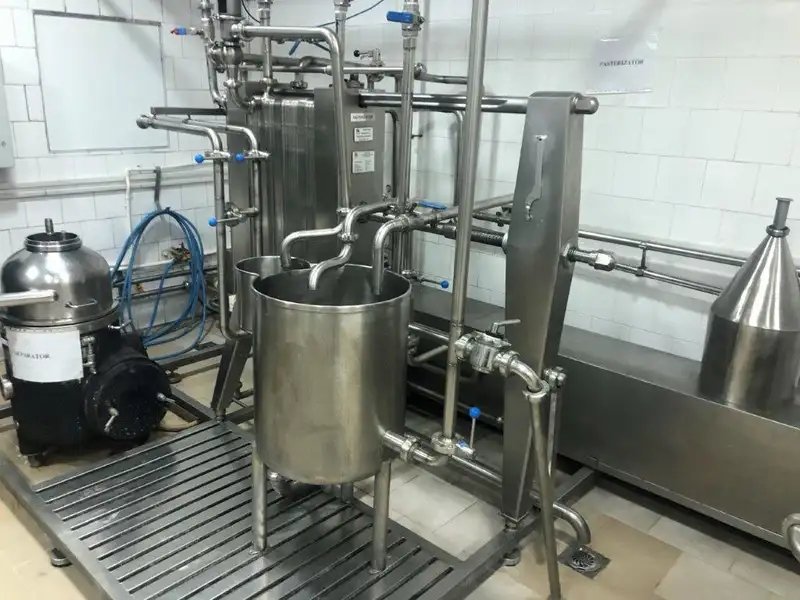
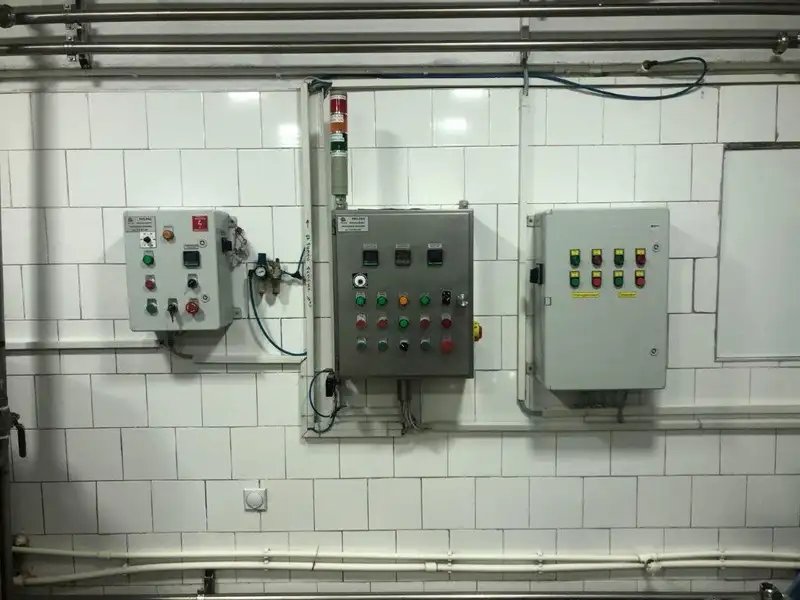
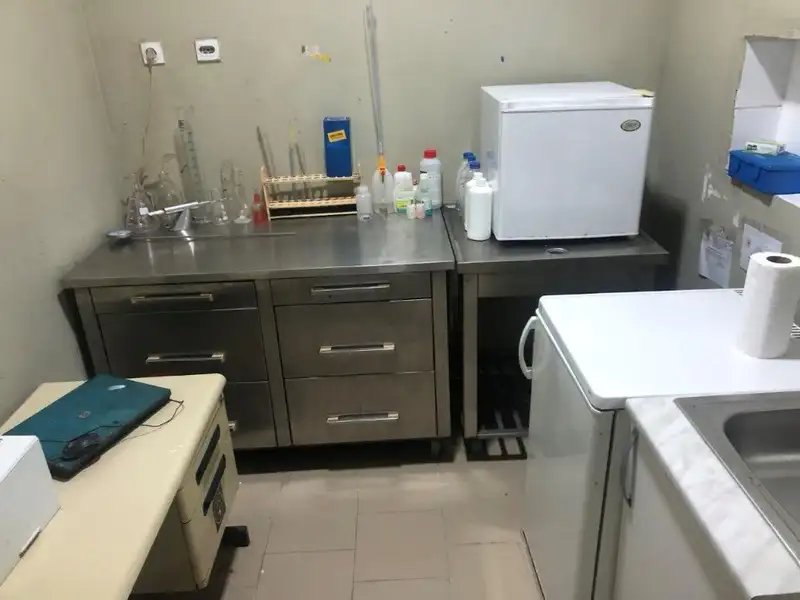
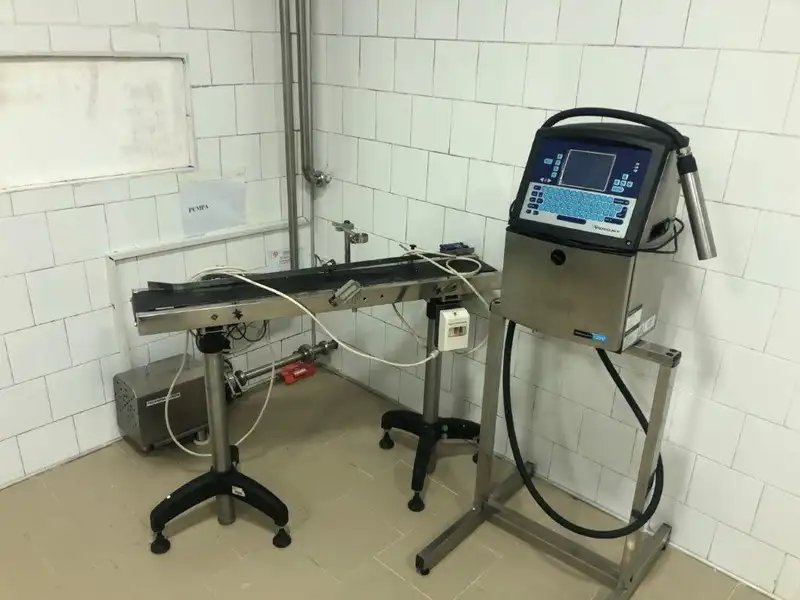
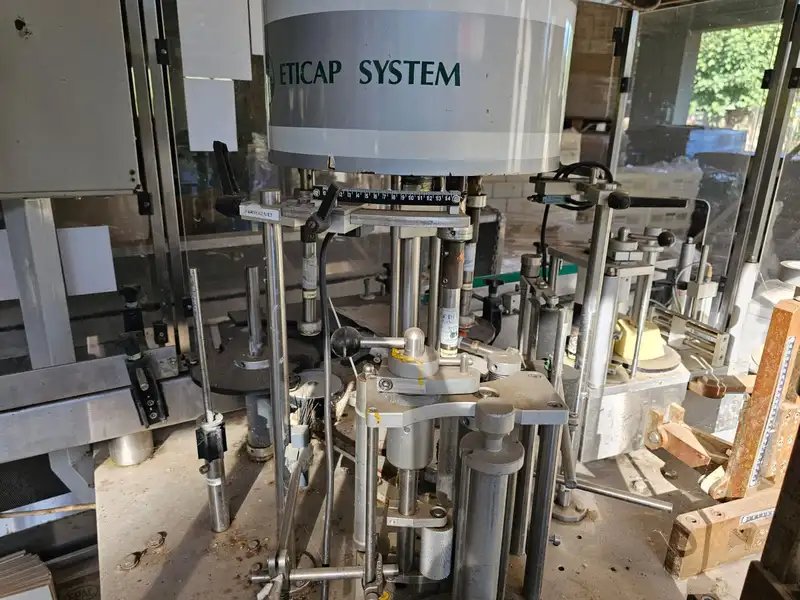
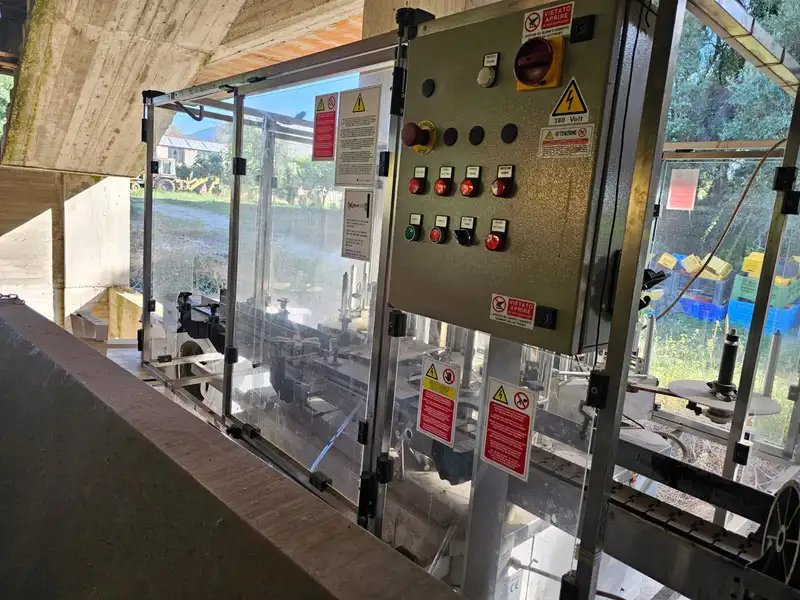
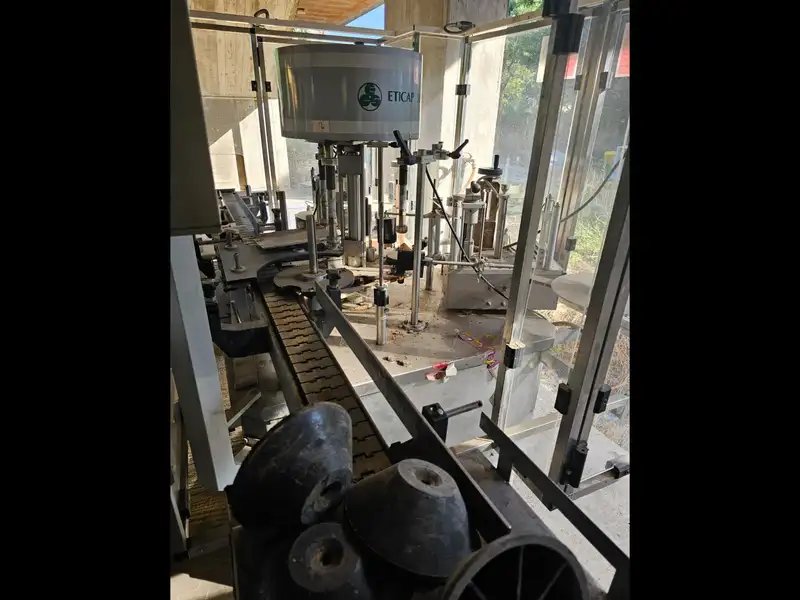
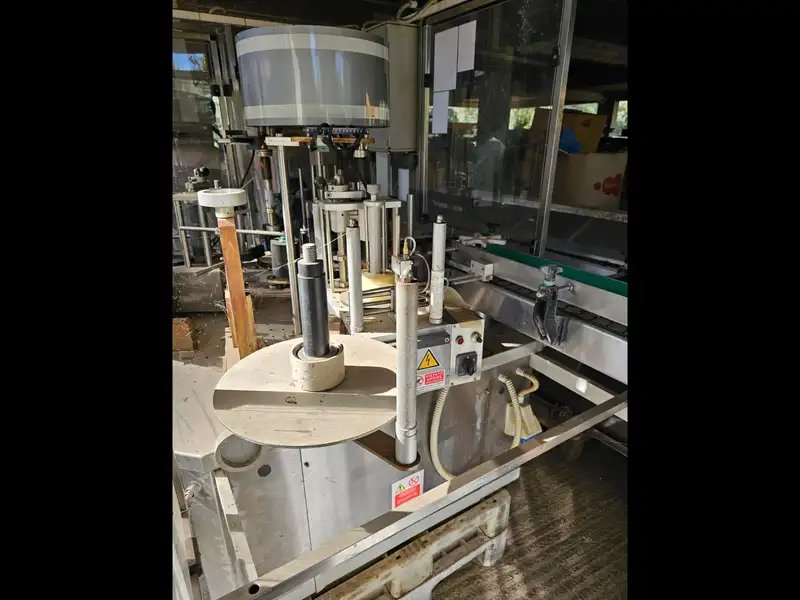
Used Processing Line for small dairy products 2000 L/h Milk Reception and Initial Storage The Used Processing Line for Small Dairy Products 2000 L/h begins with a milk reception unit consisting of two Lactofreeze tanks and a receiving pump. Initially, operators channel raw milk into the tanks, where it remains chilled. As a result, the system ensures thermal stability before processing. Furthermore, this setup minimizes the bacterial load while allowing continuous transfer to the pasteurization stage. Pasteurization and Separation Next, the pasteurization phase uses a plate heat exchanger with a retention section and auxiliary systems, all rated for 2,000 liters per hour. Specifically, the pasteurizer rapidly heats and holds milk at a predefined temperature to eliminate pathogens. Then, the GEA WESTFALIA separator—rated at 3,000 L/h—performs cream separation. Simultaneously, the RANNIE homogenizer (1,000 L/h) reduces fat globules, thus enhancing emulsion stability and preventing cream rise. Fermentation and Coagulation Following thermal treatment, the milk proceeds to fermentation. Here, operators use an insulated double-wall fermentation tank with a 1,000-liter capacity and planetary agitator. Consequently, they maintain uniform bacterial activity and precise temperature control. In parallel, a 1,000-liter coagulation vat equipped with a planetary mixer initiates the curdling process. Both tanks ensure optimal protein structuring for yogurt, cheese, and cultured cream products. Cheese Processing and Draining After coagulation, the Used Processing Line for Small Dairy Products 2000 L/h continues with cheese processing. The system includes a 500-liter vat with a draining sieve and two cheese draining tables. Therefore, operators can efficiently handle large curd volumes. Moreover, these components simplify whey separation while ensuring sanitary compliance. Additionally, their design supports easy cleaning and cross-contamination prevention. Packaging Operations Once products are ready for packing, the line integrates semi-automatic and automatic solutions. First, a semi-automatic filler doses pasteurized milk into 1-liter bags. Subsequently, the yogurt cup filler automatically fills and seals 75 mm and 95 mm cups at up to 1,800 units per hour. Meanwhile, the rotary labeling machine by ETICAP (2004) applies both front and rear self-adhesive labels on cylindrical cups. Importantly, the machine ensures consistent alignment and adhesion. Date Coding, Thermal Control, and Final Packing In addition, a Videojet 1220 coder (2019) applies expiry dates onto each product via belt conveyor. Further downstream, a vacuum packaging machine handles cream and cheese portions. Thermal utilities include a 115–150 kW solid fuel boiler (2014) with dual transfer pumps. At the same time, an ice water tank (5,000 L, 2014) and a cooling unit (2018) maintain temperature consistency across the line. Laboratory and Accessories Alongside processing units, the Used Processing Line for Small Dairy Products 2000 L/h features a dedicated laboratory. Specifically, it houses analytical tools for quality control and milk analysis. Additionally, the line includes 300 plastic crates for storing and transporting yogurt cups. System Shutdown and Storage Finally, operators shut down the line in September 2023. Before dismantling, they cleaned all units and verified mechanical condition. As a result, all equipment was stored properly. Therefore, any buyer can reinstall the Used Processing Line for Small Dairy Products 2000 L/h immediately, without requiring extensive refurbishing.

Diese Maschine auf Facebook
Diese Maschine als verkauft

Anfrageformular

Sind Sie Händler?

Bitte senden:

Gesuchsanfrage?

Kopie an Sie?

Eingabedaten speichern?

Used Processing Line for small dairy products 2000 L/h Milk Reception and Initial Storage The Used Processing Line for Small Dairy Products 2000 L/h begins with a milk reception unit consisting of two Lactofreeze tanks and a receiving pump. Initially, operators channel raw milk into the tanks, where it remains chilled. As a result, the system ensures thermal stability before processing. Furthermore, this setup minimizes the bacterial load while allowing continuous transfer to the pasteurization stage. Pasteurization and Separation Next, the pasteurization phase uses a plate heat exchanger with a retention section and auxiliary systems, all rated for 2,000 liters per hour. Specifically, the pasteurizer rapidly heats and holds milk at a predefined temperature to eliminate pathogens. Then, the GEA WESTFALIA separator—rated at 3,000 L/h—performs cream separation. Simultaneously, the RANNIE homogenizer (1,000 L/h) reduces fat globules, thus enhancing emulsion stability and preventing cream rise. Fermentation and Coagulation Following thermal treatment, the milk proceeds to fermentation. Here, operators use an insulated double-wall fermentation tank with a 1,000-liter capacity and planetary agitator. Consequently, they maintain uniform bacterial activity and precise temperature control. In parallel, a 1,000-liter coagulation vat equipped with a planetary mixer initiates the curdling process. Both tanks ensure optimal protein structuring for yogurt, cheese, and cultured cream products. Cheese Processing and Draining After coagulation, the Used Processing Line for Small Dairy Products 2000 L/h continues with cheese processing. The system includes a 500-liter vat with a draining sieve and two cheese draining tables. Therefore, operators can efficiently handle large curd volumes. Moreover, these components simplify whey separation while ensuring sanitary compliance. Additionally, their design supports easy cleaning and cross-contamination prevention. Packaging Operations Once products are ready for packing, the line integrates semi-automatic and automatic solutions. First, a semi-automatic filler doses pasteurized milk into 1-liter bags. Subsequently, the yogurt cup filler automatically fills and seals 75 mm and 95 mm cups at up to 1,800 units per hour. Meanwhile, the rotary labeling machine by ETICAP (2004) applies both front and rear self-adhesive labels on cylindrical cups. Importantly, the machine ensures consistent alignment and adhesion. Date Coding, Thermal Control, and Final Packing In addition, a Videojet 1220 coder (2019) applies expiry dates onto each product via belt conveyor. Further downstream, a vacuum packaging machine handles cream and cheese portions. Thermal utilities include a 115–150 kW solid fuel boiler (2014) with dual transfer pumps. At the same time, an ice water tank (5,000 L, 2014) and a cooling unit (2018) maintain temperature consistency across the line. Laboratory and Accessories Alongside processing units, the Used Processing Line for Small Dairy Products 2000 L/h features a dedicated laboratory. Specifically, it houses analytical tools for quality control and milk analysis. Additionally, the line includes 300 plastic crates for storing and transporting yogurt cups. System Shutdown and Storage Finally, operators shut down the line in September 2023. Before dismantling, they cleaned all units and verified mechanical condition. As a result, all equipment was stored properly. Therefore, any buyer can reinstall the Used Processing Line for Small Dairy Products 2000 L/h immediately, without requiring extensive refurbishing.

Verkäufer Angebot Nr. resale LC560
Diese Maschine auf Facebook
Diese Maschine als verkauft
Geprüfter
Händler

Verkäufer

Used Bottling Lines

Used Bottling Lines


37022 Fumane
Italien

RESALE Anbieter seit 2022

  • Maschinenliste (540)

Anfrageformular

Sind Sie Händler?

Bitte senden:

Gesuchsanfrage?

(zu obiger Maschine eine Gesuchsanfrage an alle Händler senden)

Kopie an Sie?

(Kopie Ihrer Anfrage an Ihre Emailadresse)

Eingabedaten speichern?

(Eingabedaten für weitere Anfragen speichern)