Used Complete Tinplate Can Production Line for Oil (4–20 L) –
Overview This second-hand, industrial packaging line is a complete
tinplate can production system engineered for 4–20 L oil containers.
Configured for body making, end making, compound lining, curing,
double seaming, and handle welding, it offers a proven route to scale
up edible oil container manufacturing. The line features reputable
OEMs such as Soudronic, BIBRA, YAGUCHI, Cevolani, W.R. GRACE, and
RKHD, making it a robust choice for companies seeking a used bottling
line complement or an integrated container-making solution for food
and beverage packaging operations. Year of manufacture: 1976 (body
making section built in 1981) Technical Specifications & Performance
Data Container Range & Materials Format range: 4 L to 20 L tinplate
steel cans for edible oil and related viscous products Body styles:
compatible with large-format metal cans; bottom and lid closed via
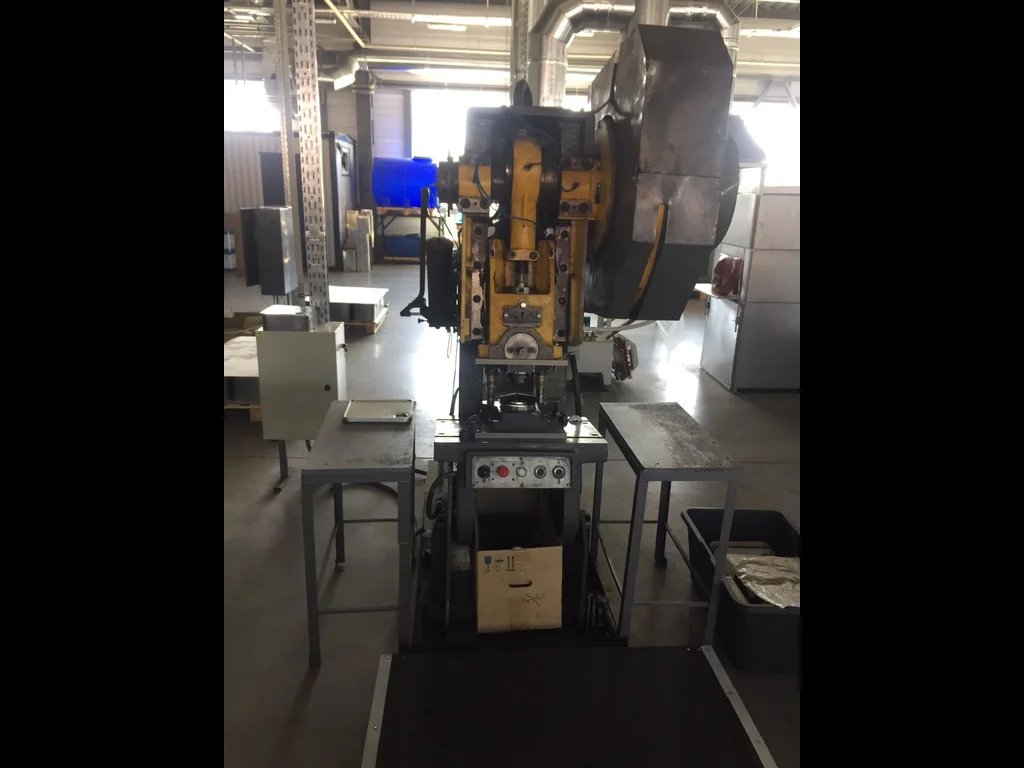
double seam Closure preparation: press station for punching
pourer/spout opening compatible with Bericap-type closures Process
Flow & Included Equipment Sheet preparation: sheet shears (Cevolani,
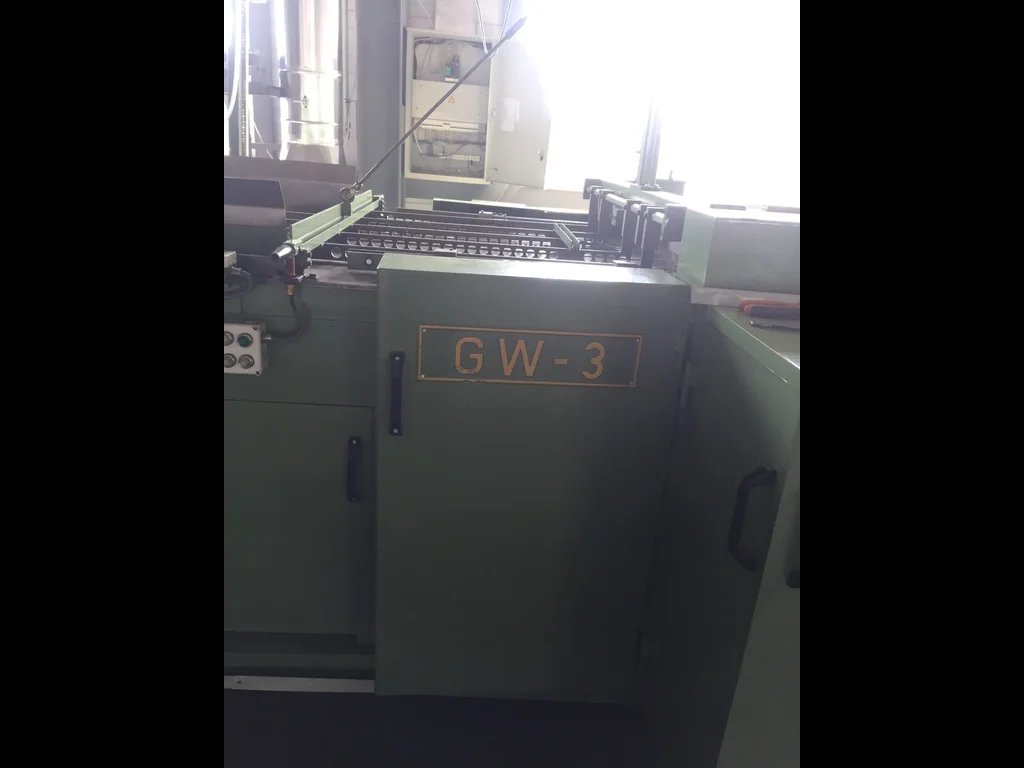
Italy) and angled sheet shears GW-3 (Germany) Body making: automatic
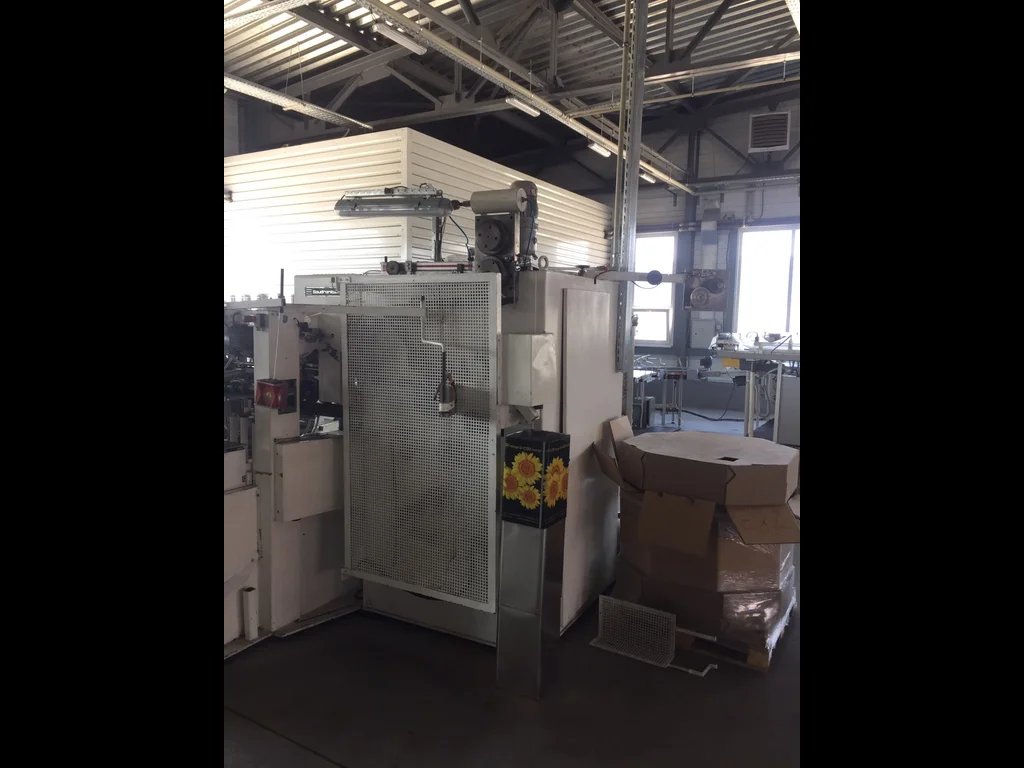
Soudronic body welder for longitudinal seam welding Body sizing: BIBRA
expander (Germany) for dimensional stabilization of can bodies End
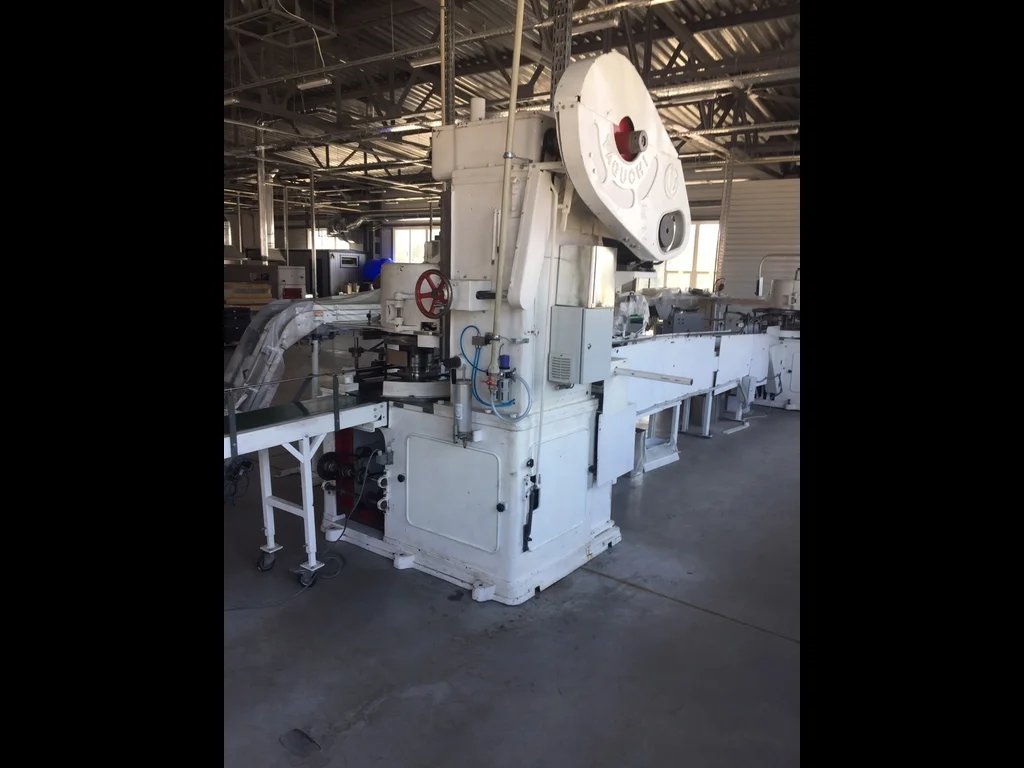
forming: machine for crimping/flanging shell ends End production: RKHD
40 presses (2 pcs) for can ends manufacturing Closure hole press:
dedicated press for Bericap-type pourer hole Compound lining: sealing
compound application machine W.R. GRACE (Belgium) + semi-automatic
compound liner (Turkey, new) Curing: tunnel drying oven for compound
curing and adhesion Seaming: YAGUCHI double seamer (Japan) for bottom
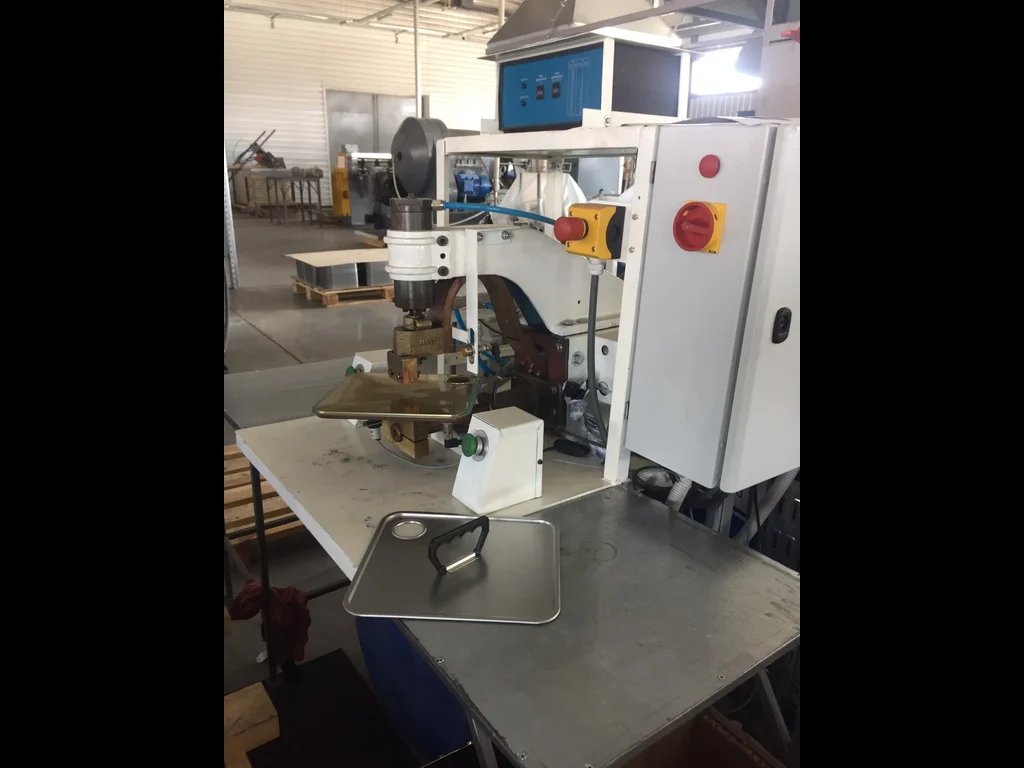
and lid application Handle application: semi-automatic handle welder
Typical Output Parameters Nominal throughput depends on can size,
seamer tooling, welding speed, and oven residence time Detailed
performance tests and format-specific estimates can be provided upon
request Supported Products Edible oils (sunflower, olive, seed oils),
food-grade fats Also suitable for non-food industrial liquids subject
to appropriate compliance and compound selection Advanced Automation &
Control Systems Machine-level controls from OEMs (equipment runs with
individual control panels; PLC-based control where supplied by
manufacturer) Independent stations allow phased commissioning and
step-by-step line balancing Provision for integrating line interlocks,
jam detection, and status signals to a central HMI/SCADA if desired
Process-critical stations (welder, double seamer, compound liner,
oven) arranged for sequential quality assurance Production Line
Integration Capabilities Upstream: compatible with sheet feeding,
coating/printing lines, and end stock preparation Downstream:
integrates with oil filling/capping, labelling, case packing, and
palletizing for a complete used bottling line ecosystem Interfaces:
dry contacts or fieldbus-ready expansion (to be engineered during
installation) for start/stop, fault, and safety loops Suitable for
industrial packaging operations across food and beverage container
manufacturing Machine Condition & Maintenance History Year of
manufacture: 1976 (body making section built in 1981) Condition: in
storage, decommissioned and prepared for transport Documentation:
Original user manuals are available upon request; OEM references and
general operating procedures can typically be obtained from
manufacturers or industry channels. Recommended pre-start service:
inspection of weld wheels/electrodes, expander mechanics, seamer
tooling and chucks/rolls, compound pump and applicators, oven
conveyor/drive, and pneumatic circuits Spare parts/tooling:
availability to be confirmed during technical audit Operational
Performance & Versatility Format flexibility: 4–20 L formats
supported via appropriate change parts and tooling adjustment Quality
outcomes: continuous longitudinal seam welding, precise compound
application and curing, and reliable double seams on bottom and lid
Closure readiness: integrated punch station produces lids ready for
Bericap-type pour spout fitments Application scope: edible oils as
primary target; also applicable to lubricants, chemicals, and
specialty liquids subject to regulatory compliance Installation
Requirements & Site Preparation Power: three-phase industrial
electrical supply sized to the full connected load of welder, presses,
oven, and auxiliaries Compressed air: stable, dry air for pneumatic
actuators and control valves Thermal utilities: curing oven requires
appropriate energy source and exhaust/ventilation provisions
Ventilation & emissions: extraction for compound lining and oven zones
in accordance with local codes Flooring & layout: level industrial
floor with adequate footprint for sheet handling, body transport, and
service access Integration: space allocation for conveyors, guarding,
QC stations (seam teardown, leak testing) as required S





 Ägypten