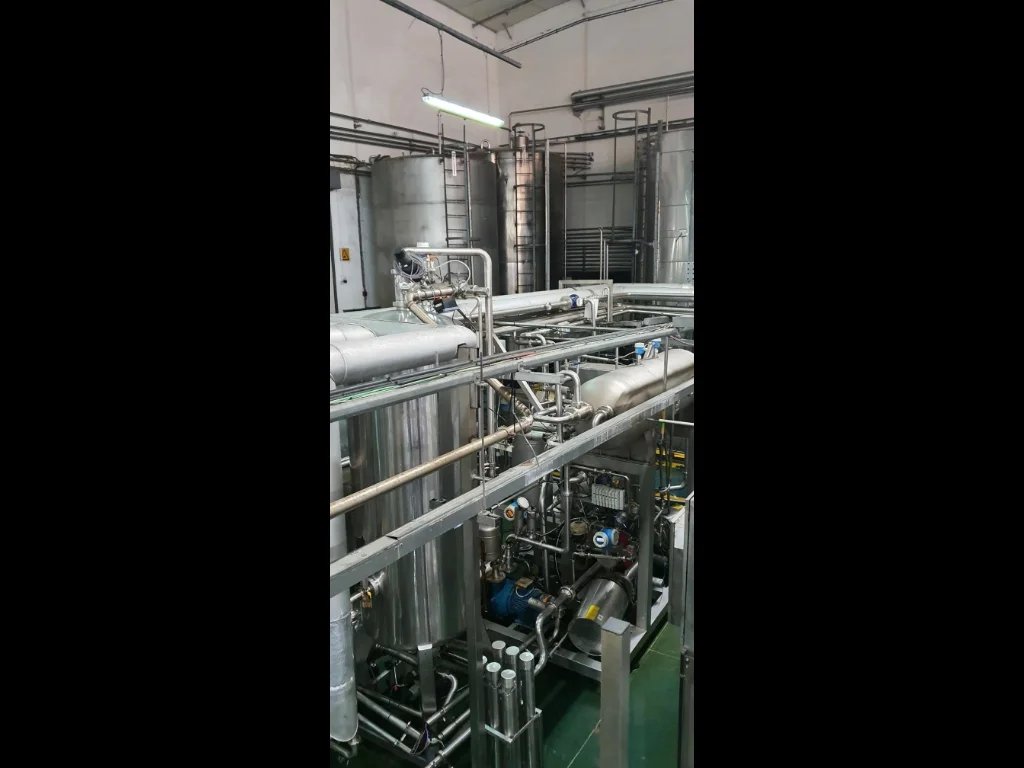
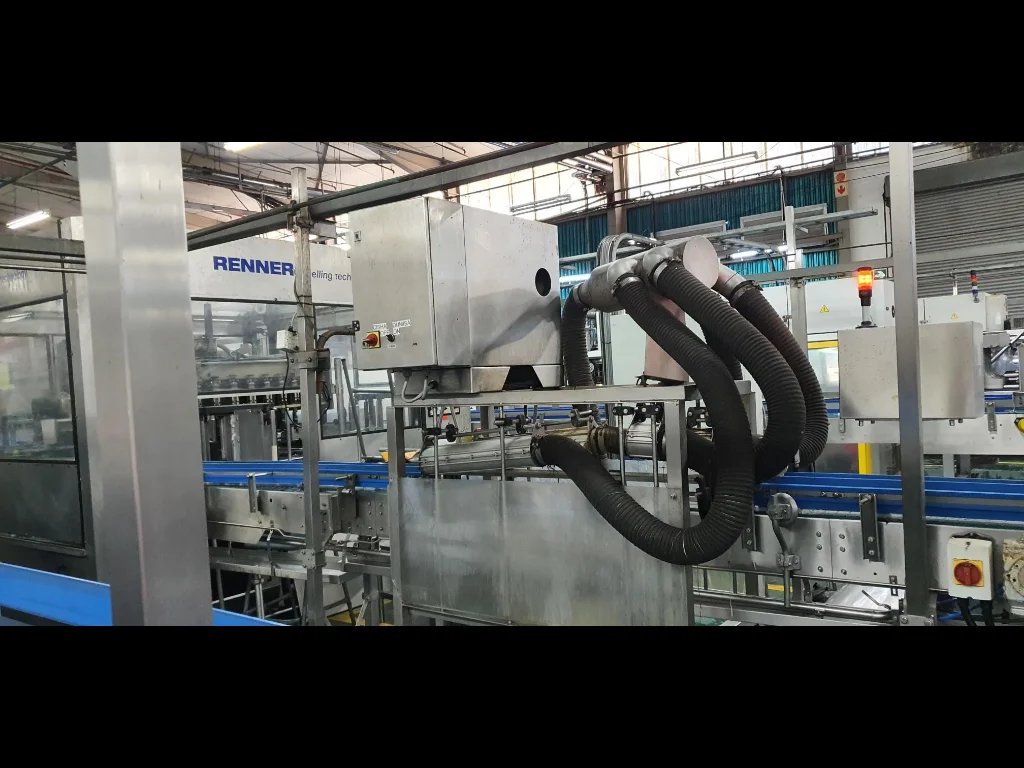
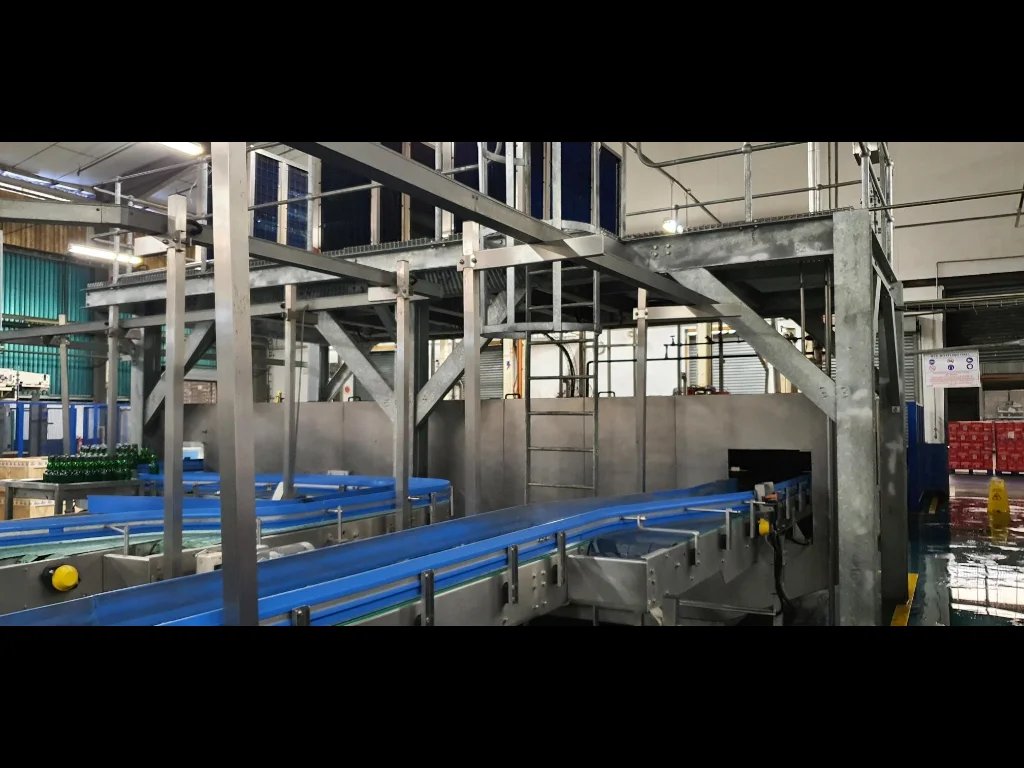
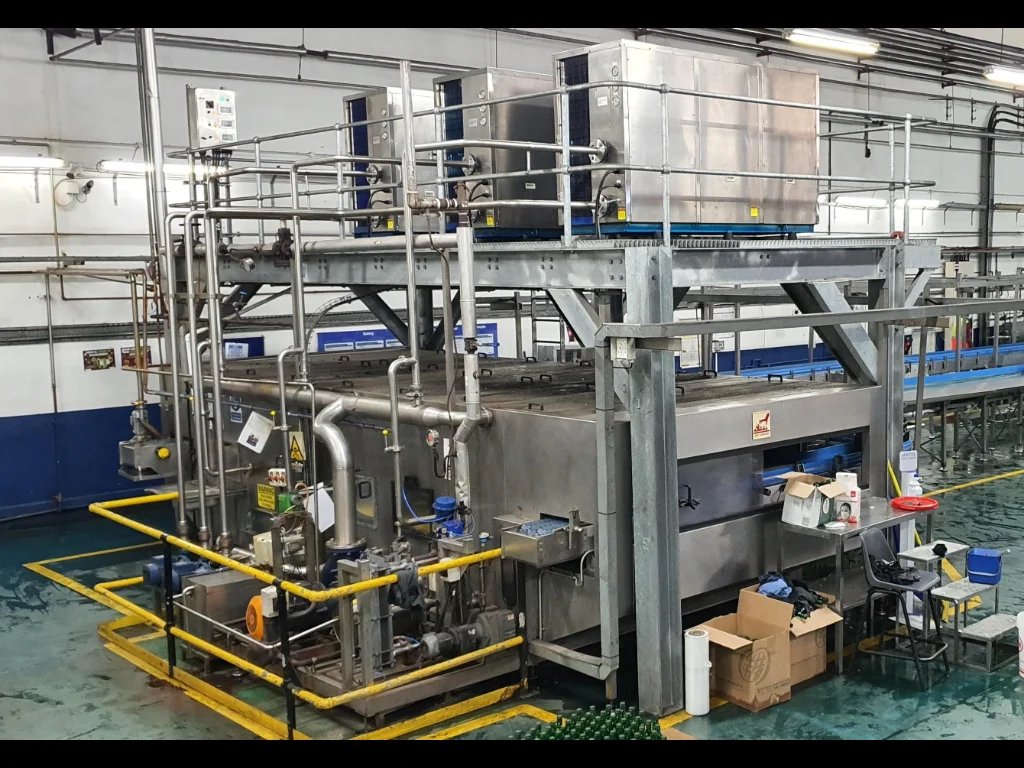
Used Glass bottling line for ciders 32.000 BPH Technical
Specifications & Performance Data Complete glass line rated at 32,000
bottles/hour for crown-capped beverages, configured for 275 ml, 300
ml, 330 ml, 660 ml, 750 ml glass formats. Condition: ready for
operation. Scope covers depalletizing through pallet stretch wrapping
for cider and ready-to-drink production. This glass bottling line
consolidates inspection, rinsing, filling/crowning, labeling, case
packing, and pallet logistics into one integrated process.
Depalletizer: Kettner Pressant Universal (1N), 5 layers/min Empty
Bottle Inspector (EBI): Krones Linatronic 731 M2, 700 bottles/min
Rinsing Machine: CBI JetMatic, 72 heads, 670 bottles/min
Filling/Crowning Monoblock: 600–660 bottles/min, 80/14 heads Bottle
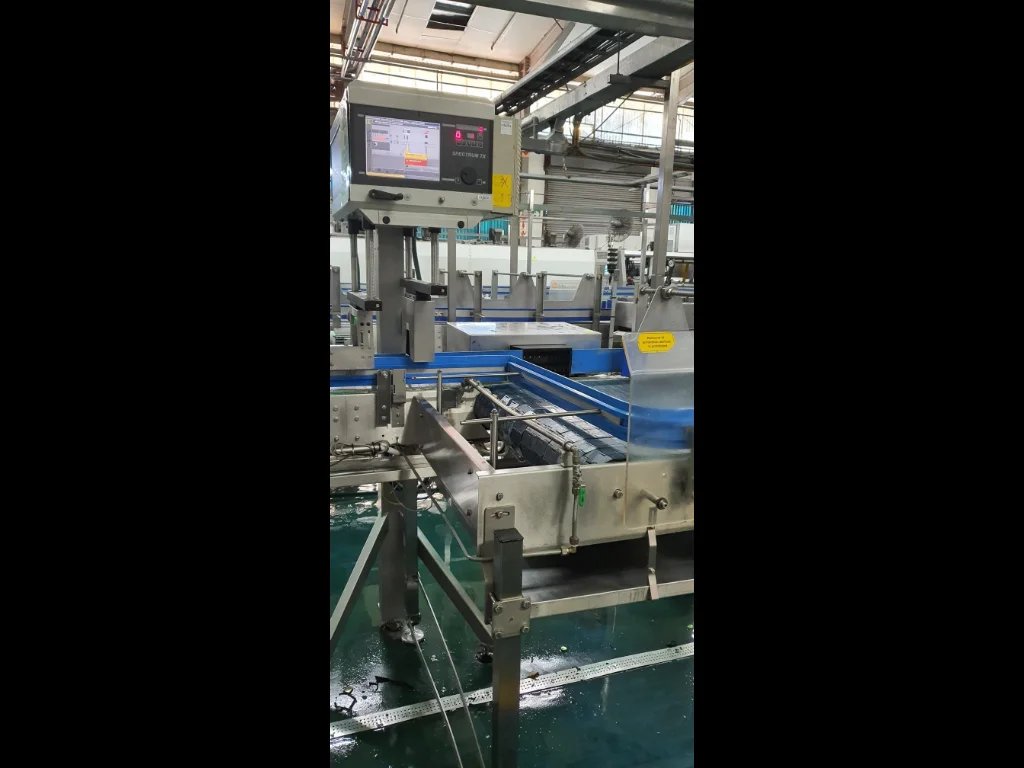
Inspector 1: Heuft Spectrum TX Bottle Warmer: CBI MCC 2000 Labeling
Machine: Krones Topmatic Type 071, 850 bottles/min Bottle Inspector 2:
Heuft Spectrum TX Shrink Wrapper (Over-wrapper): SMI SK 800F, 160
packs/min Wrap Around Packer: SMI WP 450, 45 cases/min Case Divider:
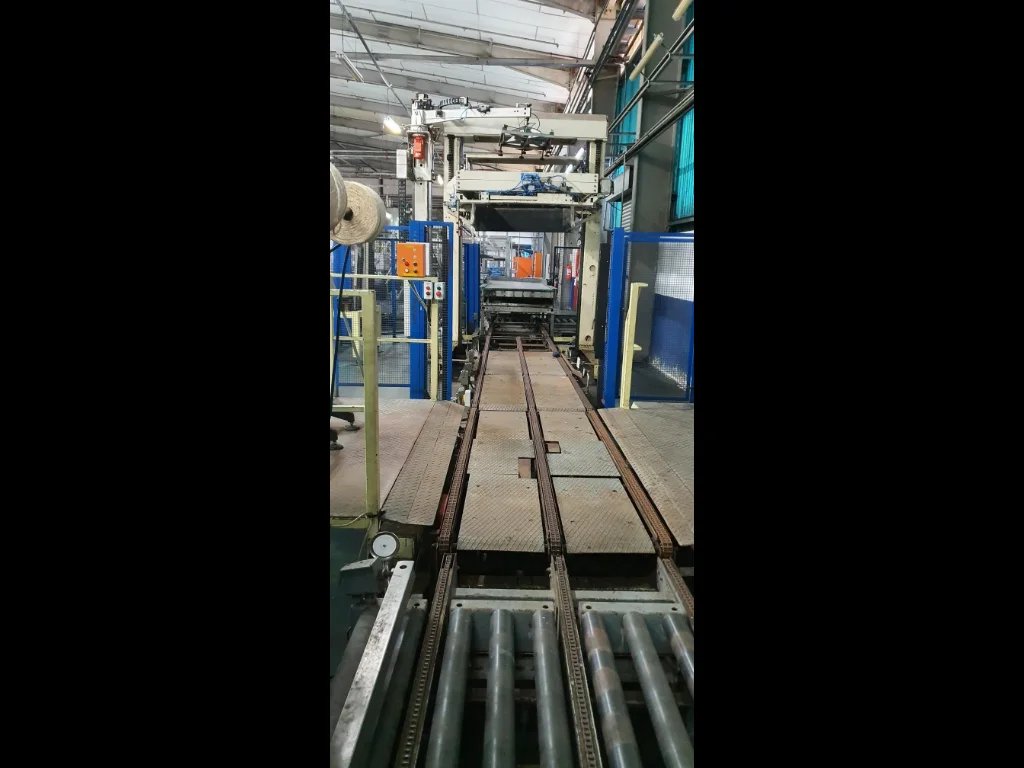
CBI Palletizer: Berchi Dinamatic PTF/2 Pallet Wrapper: Robopac Helix
HS 30, 30 pallets/hour Pallet Coder: Model LOGO (2007) Conveyors +
Controls: CBI bottle conveyors and controls; CBI case conveyors; CBI
pallet conveyors Case Scales: Case scales (2007) Carton Coder:
Videojet Excel 100 Bottle Dryers/Blowers: Model Jet‑2; SONIC 150
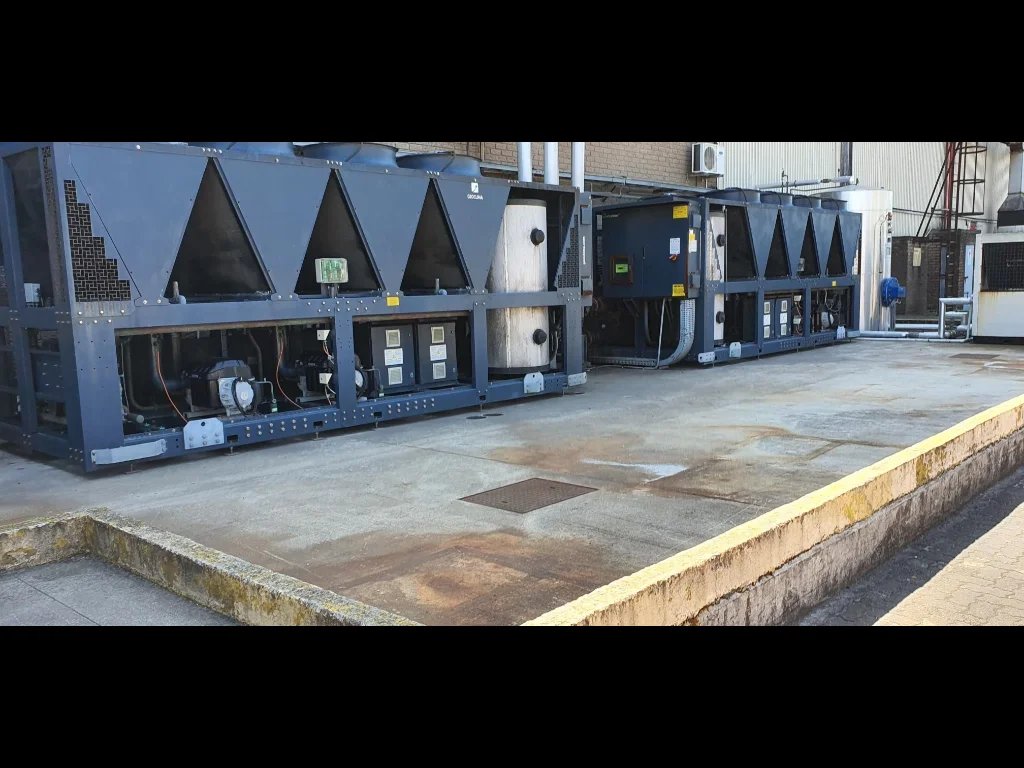
Chillers: Geoclima 2 x TMA 2A450A EC‑34 Container type: Designed for
glass bottle handling Line speed (bottling): up to 850 bottles/min
(limited by downstream configuration) Advanced Automation & Control
Systems Centralized controls coordinate depalletizing, inspection,
rinsing, filling, labeling, packing, and palletizing. Automation
across the glass bottling equipment stabilizes throughput from 160
packs/min on wrapping to 850 bottles/min on labeling, with managed
changeovers and consistent synchronization. Conveyor logic with
accumulation buffers for continuous flow Automated inspection (EBI and
post‑label checks) for in‑process quality control Thermal
management via bottle warmer to mitigate condensation before labeling
Integrated pallet and carton coding for end‑of‑line traceability
Production Line Integration Capabilities Configured for inline,
end‑to‑end operation from depalletizer to pallet wrapper. CBI
conveyor systems provide balanced buffering between critical stations
to protect bottle integrity and maintain rated output. This
configuration supports crown‑capped glass formats for cider and
ready‑to‑drink products and functions as a cohesive glass bottling
line within a compact footprint. Continuous glass handling with
synchronized machine groups Monoblock filler/crowner for coordinated
filling and closing Multiple inspection points to verify container and
label quality Case packing through full palletizing and stretch
wrapping for shipment readiness Machine Condition & Maintenance
History Assembled from recognized manufacturers and arranged as a
complete second‑hand system, the line presents ready for operation.
Hardware selection favors serviceable models with established parts
availability and documented performance in beverage packaging.
Operational Performance & Versatility Labeling at 850 bottles/min and
a filler/crowner at 600–660 bottles/min deliver high throughput
while sustaining quality control through dual Heuft inspections and
controlled warming. Packaging flow integrates shrink wrapping,
wrap‑around case packing, and pallet handling for a consolidated
path from bottle feed to finished pallet. Supported glass formats: 275
ml, 300 ml, 330 ml, 660 ml, 750 ml. Crown‑cap compatible glass
bottling Empty and post‑label inspection for continuous QA
High‑efficiency over‑wrapping and wrap‑around case packing
Integrated palletizing cell with stretch wrapping and coding
Installation Requirements & Site Preparation Modular, skid‑mounted
stations allow staged installation and commissioning. Standard
utilities are required for operation: electrical power, compressed air
for actuators and packaging, and process water for rinsing and the
warmer. Allocate floor space for depalletizer infeed, accumulation,
case packing, palletizing, clear operator aisles, and maintenance
access to each bottling station. Utilities: electrical power,
compressed air, process water Material flow: depalletizer to rinser to
filler/crowner, through labeling to case and pallet line Coding &
inspection: provision for EBI, post‑label checks, and coding devices
Access: maintenance/service zones and changeover clearances Safety
Standards & Compliance Certification Safety interlocks, guarding, and
emergency‑stop circuits are installed across machine groups.
Stainless‑steel and hygienic design principles are used in
beverage‑contact and washdown areas to support sanitation routines
typical of industrial beverage operations and glass bottling machinery
environments. Machine guarding and interlocked access points
Distributed emergency‑stop circuits at key stations Hygienic cons